AEO Christchurch: Why It Matters

KEY POINTS

  • I searched for my own service and didn't show up. Even doing this for a living, my site was invisible for the exact term I specialise in.
  • AEO isn't SEO. With SEO you can rank #5 and still get clicks. With AEO you're either the answer an AI cites, or you don't exist. No page two.
  • Two of the "Christchurch AEO providers" Google recommends aren't even based in New Zealand. Structure can fool AI search, which is exactly why real local businesses need to get it right.
  • So what is AEO, actually?

    Answer Engine Optimisation (AEO) is about making your website easy for AI tools: ChatGPT, Google's AI Overviews, Perplexity, to find and use as a direct answer, not just a link for a human to click through to.

    Here's why that matters more than it sounds: more than half of all searches now end without anyone clicking a link at all. People ask a question, get an answer straight from the AI, and move on. If your site isn't built to answer questions directly, you're invisible for that whole slice of searches, no matter how good the work behind the website actually is.

    AEO isn't the same as SEO

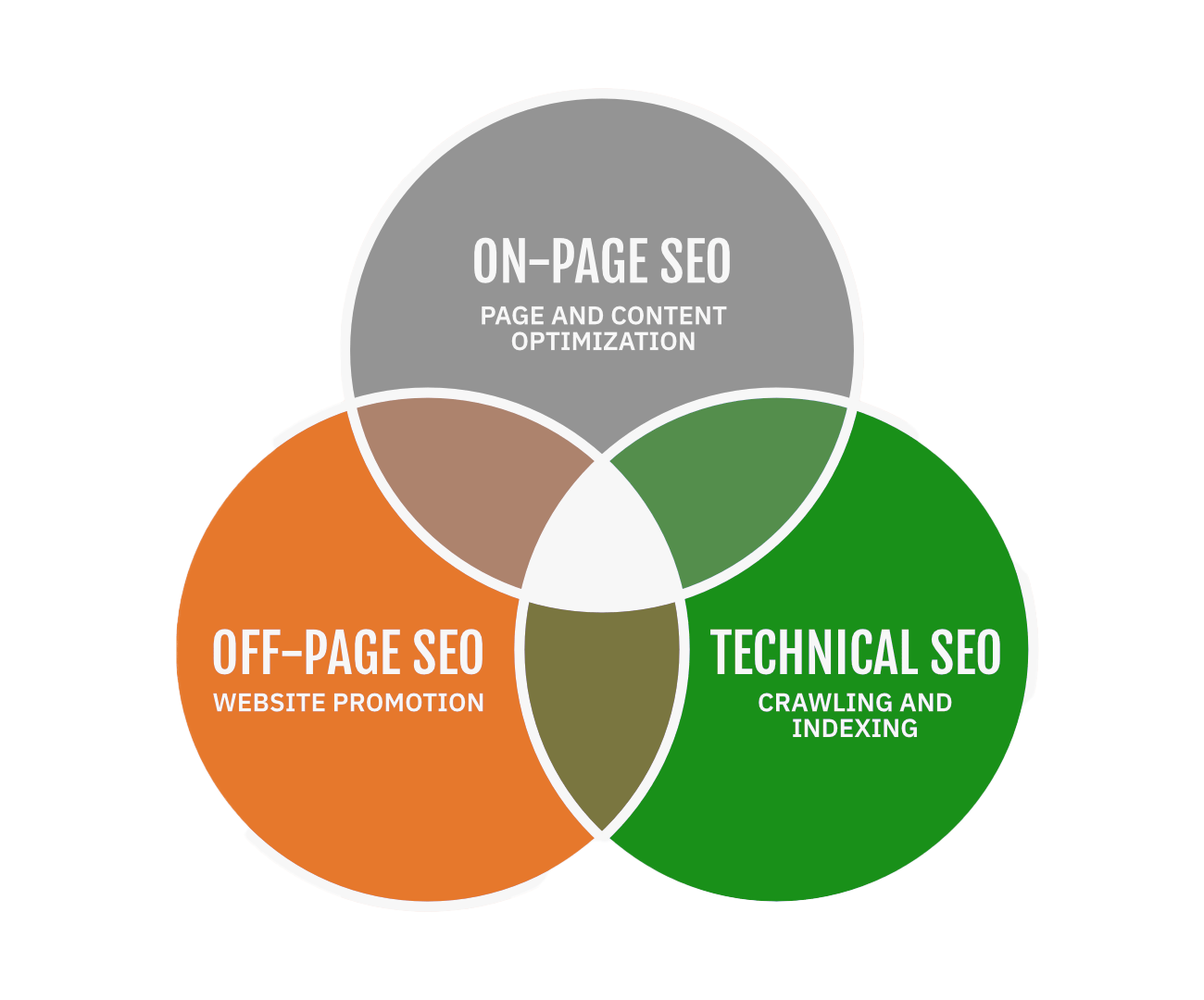
    • SEO is about ranking well across a page of results, position one through ten, competing for visibility across a range of spots.
    • AEO is about being the answer an AI tool hands over. There's no position two. You're either the one that gets cited, or you're not there at all.
    • They're related, but they're not solved the same way. Good SEO doesn't automatically mean good AEO. My own site is proof of that.

    What actually gets a site picked (and it's not luck)

    None of this is about tricking an algorithm. It's the same thing I tell clients about their whole website: structure before style. AI tools reward clarity because clarity is what they can actually use. Practically, that means:

    • Answer the question directly, early. If someone's likely to ask "what is X" or "how do I Y," your page should say so in the first couple of sentences, not bury it under three paragraphs of scene-setting.
    • Use headings that match real questions. "Services" tells a person what page they're on. "What does a website audit actually include?" tells an AI tool what question this page answers.
    • Keep your business info consistent everywhere. Your website, Google Business Profile, Facebook, any directory listing. If an AI tool can't verify who you are and what you do, it either skips you or guesses. Guessing goes badly more often than you'd think.
    • Thin, scattered content doesn't help. Pages competing against each other, or answering half a question each, make it harder for anything to point to you as the answer.

    Who's actually showing up (and it's not who you'd think)

    I kept going and searched "web company in Christchurch who focus on AEO." Four names came up. I checked all four.

    Two are genuinely local ... real Christchurch agencies doing exactly the structural work above, on their own sites. Fair enough. That's the game working as intended.

    The other two aren't Christchurch businesses at all. One's an agency based in Hyderabad, India, running the same "SEO, AEO & GEO Services for page for dozens of cities worldwide -Seville, Galway, Switzerland, wherever - identical case studies, just the place name swapped out. The other only showed up because it's named on a generic "Top 10" listicle that runs the exact same template for every country going.

    Neither has ever set foot in Christchurch. Both structured their pages well enough that an AI tool couldn't tell the difference between "genuinely local" and "says the city name enough times."

    That's not a reason to give up on any of this. If anything it's the opposite. It means the structural work isn't some impossible bar reserved for big players with the budget for it. It just means being real, local, and clear on your own site isn't optional anymore either. Right now, that combination is rarer than it should be.
    What I'd actually check first

    If you want to know where you stand before doing anything else: open ChatGPT or Google and search for what you do, in your town, the way an actual customer would type it. Not your business name - the problem you solve. See who comes up. If it's not you, that's not a lost cause, it's usually a handful of fixable gaps.

    That's the exact check I run for Christchurch and Canterbury businesses. The scan itself is automated, the read on what it actually means for your business isn't. You'll get three concrete findings on where you stand and what's likely blocking you, and if it's useful, we can talk through the rest from there.

    Smiling woman with glasses, silver hair, wearing a patterned blouse and green pendant necklace.

    Hi, I’m Felicia, and I write these posts to share what I’m learning and noticing in the digital space. I focus on building thoughtful, functional websites that perform across search and AI environments, so my clients can shine online. Thanks for being here.
    Let’s connect on LinkedIn or on Facebook and share ideas.